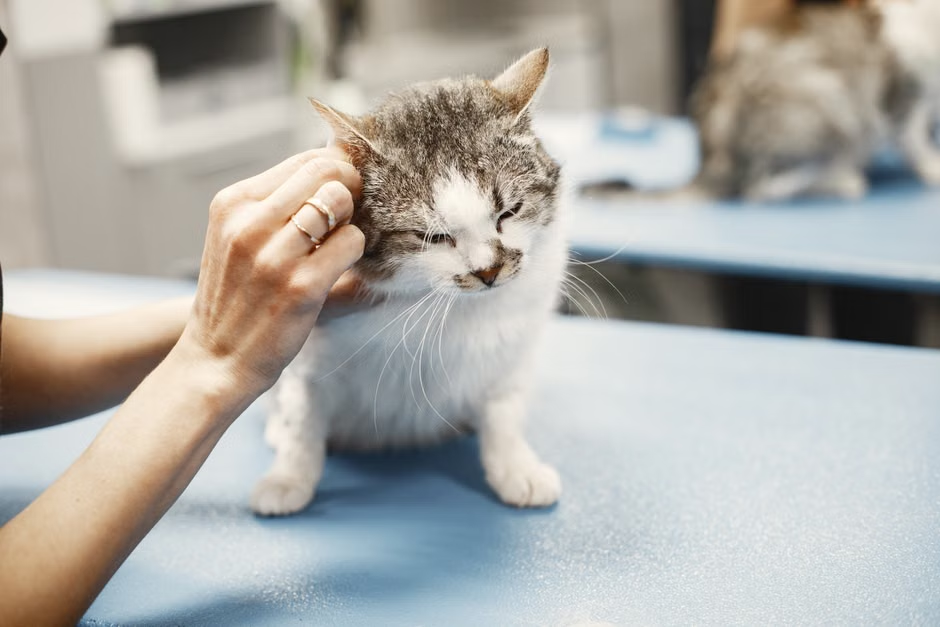
You’re sitting on the couch, your cat curled up in a sunbeam on the windowsill, living their best indoor life. They’ve never stepped a single paw outside. They don’t wrestle with neighborhood strays or explore questionable alleyways. So the question pops into your head, probably while they’re purring contentedly: do indoor cats need vaccines?
It’s one of the most common questions cat parents ask, and honestly, it makes perfect sense. Why would a cat who never leaves the house need protection against the outside world? By the time you finish reading this, you’ll know exactly which vaccines your indoor cat truly needs, what the law requires, what it all costs, and yes, when it’s actually okay to skip or delay a shot. No judgment here, just the facts you need to make the best decision for your fur child.
Table of Contents
- The Short Answer: Yes, Indoor Cats Still Need Vaccines
- The Core Vaccines Every Indoor Cat Needs
- Lifestyle Vaccines: What Your Indoor Cat Might (or Might Not) Need
- The Case Against Vaccines: Why Some Cat Parents Hesitate
- When NOT to Vaccinate Your Cat
- What Is a Vaccine Titer (And Should You Do It Instead)?
- The Cost of Vaccines (And Why It’s Worth It)
- Frequently Asked Questions About Indoor Cat Vaccines
- The Bottom Line: Protect Your Indoor Cat, Protect Your Peace of Mind
The Short Answer: Yes, Indoor Cats Need Vaccines
Let’s tackle the myth head-on, because it’s a persistent one. Many cat parents genuinely believe that “indoor” equals “invincible.” If the door never opens, the germs never get in, right? Unfortunately, that’s not how infectious diseases work, and believing otherwise can put your cat at serious risk.
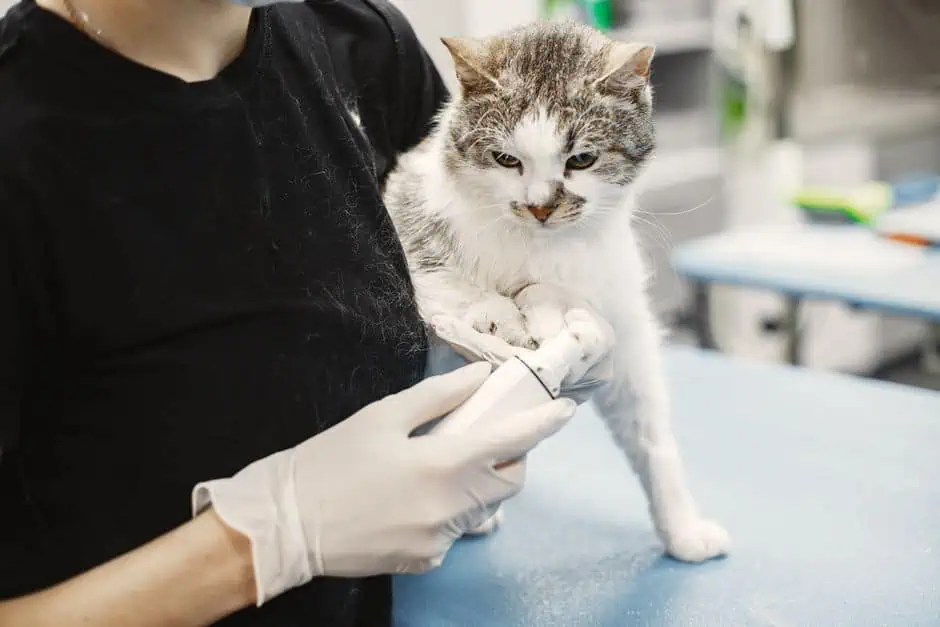
The truth is, diseases have a way of finding indoor cats. An open window with a torn screen, a balcony your cat loves to patrol, or a door left ajar for just a few seconds during a grocery haul can all be entry points. Even more surprising to many cat parents is the fact that you can bring viruses home on your shoes or clothing after walking through a contaminated area.
That friendly neighborhood cat who rubbed against your leg might have left more than fur behind. And let’s be honest about the escape artist factor. Cats are curious creatures. Even the most devoted indoor kitty can slip out during a move, when a repair person props the door open, or when a guest doesn’t close it fast enough. In multi-cat households, if one cat goes outside or a new cat joins the family, everyone’s exposure risk goes up. The bottom line is this: Vaccines protect against diseases that are often fatal. Prevention is far less painful, and far less expensive, than treatment.
The Core Vaccines Every Indoor Cat Needs
When veterinarians talk about “core” vaccines, they mean the ones that every cat should receive, regardless of lifestyle. These are the foundation of your cat’s health protection.
FVRCP: The Feline Distemper Combo Vaccine
The FVRCP vaccine is often called the “distemper shot,” but it actually protects against three different diseases. Feline rhinotracheitis virus, feline calici virus, and feline panleukopenia virus. The first two cause severe upper respiratory infections that can become chronic and painful. The third, panleukopenia, is often fatal, especially in kittens, and it’s terrifyingly resilient. The virus can survive in the environment for up to a year, just waiting for an unvaccinated cat to come along.
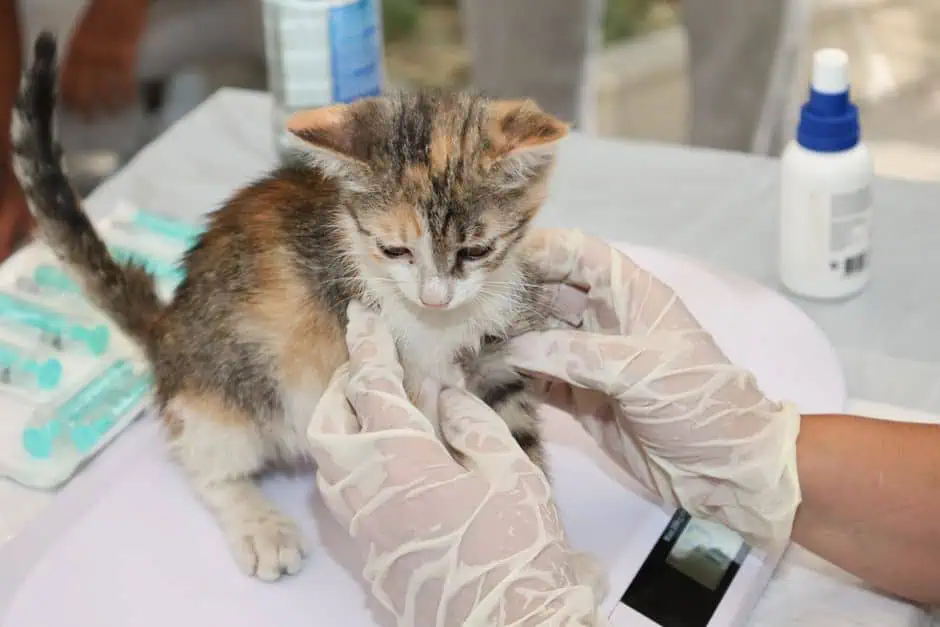
Here’s why indoor cats are still at risk: these viruses are highly contagious and can hitch a ride into your home on your hands, your clothes, or even a shared food bowl at a boarding facility. The vaccine works by priming your cat’s immune system to recognize and fight off these invaders before they can take hold. For kittens, the schedule starts at around 8 weeks of age, with boosters every 3 to 4 weeks until they’re about 16 weeks old. Adult cats typically get boosters every 1 to 3 years, depending on your veterinarian’s recommendation and your cat’s specific lifestyle. It’s a simple shot that can literally save your cat’s life.
Rabies: The Non-Negotiable Vaccine
If there’s one vaccine that needs no debate, it’s rabies. This disease is nearly 100% fatal once symptoms appear, and it’s zoonotic, meaning humans can catch it too. That’s why rabies vaccination is mandated by law in most US states, regardless of whether your cat ever goes outdoors.
You might be thinking, “But my cat never goes outside, so how could they possibly encounter a rabid animal?”. The answer is bats. Bats find their way into attics, basements, and even living rooms more often than you’d think! And a bat bite can be so small you might never notice it. Your cat, however, will definitely notice the bat, and their hunting instincts will kick in. This happened to me, actually! I still don’t know how the bat got in the house, but all of my cats went crazy trying to catch it.
The rabies vaccine schedule is straightforward. The first shot is given at 12 to 16 weeks of age, with boosters every 1 to 3 years depending on your state’s laws and the type of vaccine used. Many municipalities require proof of rabies vaccination for cat licenses, so keeping up with this one keeps you legal and keeps your cat safe.
Lifestyle Vaccines: What Your Indoor Cat Might (or Might Not) Need
Not every vaccine is right for every cat, and that’s perfectly okay. This is where you and your veterinarian can make a personalized decision based on your cat’s actual risk.
Feline Leukemia (FeLV): The Lifestyle Call
Feline leukemia virus is a retrovirus that suppresses the immune system and can lead to cancer and other serious illnesses. It’s spread through close contact, like mutual grooming, sharing food bowls, or bites from infected cats. For kittens, the FeLV vaccine is strongly recommended because their immune systems are still developing and they’re more vulnerable to infection.
Once your cat reaches their first birthday, the decision becomes more nuanced. If your cat is strictly indoors and has zero contact with other cats, your veterinarian might say the FeLV vaccine isn’t necessary. But if you have a multi-cat household where one cat goes outside, or if you foster cats or bring new cats into your home regularly, the risk calculation changes. Talk to your veterinarian honestly about your cat’s environment. They’ll help you weigh the risks and benefits.
Other Vaccines (And Why They’re Usually Not Needed)
There’s a vaccine for feline immunodeficiency virus (FIV), but it’s not routinely recommended due to variable effectiveness and complications with future testing (vaccinated cats my have false positive test results). Vaccines for Bordetella and Chlamydia exist too, but they’re rarely needed for indoor cats unless there’s a specific outbreak or exposure risk in your area. For the vast majority of indoor cats, FVRCP and rabies are the only vaccines they truly need. And that’s a perfectly fine vaccination plan.
The Case Against Vaccines: Why Some Cat Parents Hesitate
Let’s acknowledge the elephant in the room. Some cat parents are genuinely worried about over-vaccination, and their concerns deserve to be heard, not dismissed. You might worry about side effects. (Or you might dread the stress of wrangling your cat into a carrier and listening to them yowl all the way to the vet.) These are real feelings, and you’re not alone in having them.
The “my cat never leaves the house” argument is the most common one, and we’ve already covered why it doesn’t hold up. But there’s also the cost factor. Vaccines do cost money, and vet visits aren’t cheap. The counterpoint is that treating a preventable disease like panleukopenia can easily run into thousands of dollars, assuming your cat survives at all. And rabies? There is no treatment. The emotional cost of losing a cat to a disease you could have prevented is something no cat parent wants to experience. Serious vaccine reactions do happen, but they’re rare. Most cats handle their shots with nothing more than a little sleepiness or a tender spot at the injection site. The benefits of vaccination far outweigh the risks for the vast majority of cats.
When NOT to Vaccinate Your Cat
This is important. Responsible cat parents need to know that there are legitimate reasons to delay or skip a vaccine. If your cat is currently fighting an active illness or infection, their immune system is already working overtime, and vaccination should wait until they’re healthy again. Cats with a documented history of severe vaccine reactions need a personalized plan from their veterinarian. This might include pre-treatment with antihistamines or spreading vaccines out over multiple visits.
Senior cats with chronic health conditions may have different vaccine needs. And, cats on immunosuppressive medications like steroids might not be able to mount a proper immune response to a vaccine. Always, always consult your veterinarian before making any vaccination decision, especially if your cat has underlying health issues. A good vet will never pressure you into a vaccine your cat shouldn’t receive.
What Is a Vaccine Titer (And Should You Do It Instead)?
Some thoughtful cat parents ask about titer testing as an alternative to automatically giving another vaccine booster, and it’s a conversation worth having. A vaccine titer is a blood test that measures antibodies against a specific disease. If your cat still has a protective level of antibodies, a booster may not be necessary at that time.
The appeal is simple: vaccines are important, but more isn’t always better. Every vaccine stimulates the immune system and carries some risk of side effects, including soreness, fever, lethargy, and, in rare cases, allergic reactions or injection-site tumors. Giving a booster your cat doesn’t currently need may expose them to those risks without providing much additional benefit. This is why modern feline vaccination guidelines emphasize individualized vaccine plans based on each cat’s age, health, lifestyle, and risk of exposure.
Titers can be especially helpful for senior cats, cats with chronic health conditions, cats with unknown vaccination histories, and those that have experienced a previous vaccine reaction. They can also give cat parents valuable information before agreeing to another routine booster simply because a date on the calendar has arrived.
Titer testing does have limitations. It’s most useful for feline panleukopenia, since a positive antibody titer is generally considered a good indication of protection. Titers for feline herpesvirus and calicivirus don’t predict immunity as reliably. Rabies titers also usually can’t replace legally required rabies vaccinations, although exemptions may be available in some areas for cats with certain medical conditions.
For cat parents who want to protect their cats while avoiding unnecessary vaccination, titers can be an excellent tool. They aren’t “anti-vaccine.” In fact, they can help create a smarter, more personalized vaccination plan based on what your cat may actually need instead of automatically giving every booster on a fixed schedule. The test may cost more than the vaccine itself, but for many cat parents, the extra information and peace of mind are well worth discussing with their veterinarian.
The Cost of Vaccines (And Why It’s Worth It)
Nobody likes spending money unnecessarily, so let’s talk numbers. The FVRCP vaccine typically costs between $20 and $40 per dose, and the rabies vaccine runs about $15 to $30. Those are the vaccine costs themselves. Most veterinary clinics also charge an office visit fee, which usually falls somewhere between $40 and $70, and that exam is valuable in its own right.
If those numbers feel steep, know that many communities offer low-cost vaccine clinics where you can get core vaccines at a significant discount. Animal shelters sometimes host free vaccination events too. Now, compare those costs to treating panleukopenia, which can easily hit $2,000 or more and still not guarantee your cat survives. Rabies has no treatment at any price. Spending $100 to $150 a year on preventive wellness care, including vaccines, is a bargain compared to emergency vet bills and the heartbreak of losing a beloved companion to a preventable disease.
Frequently Asked Questions About Indoor Cat Vaccines
If you skip vaccines, your cat remains vulnerable to preventable and potentially fatal diseases like panleukopenia and rabies. You could also face legal consequences if your state requires rabies vaccination and you can’t provide proof. Beyond your own cat, an unvaccinated cat can expose other animals and, in the case of rabies, humans to serious illness. The cost of treating a preventable disease is almost always far higher than the cost of prevention.
The “really need” list is refreshingly short: FVRCP and rabies. These are the core vaccines that every indoor cat should receive. The feline leukemia vaccine is recommended for all kittens and then reassessed at one year of age based on lifestyle. Everything else is situational and should be discussed with your veterinarian.
Absolutely. Prevention is cheaper and far less painful than treatment. The peace of mind that comes from knowing your cat is protected against deadly diseases is worth the cost of an annual visit. Think of it as an investment in more healthy years with your furry family member.
This is a common point of confusion. The 3-3-3 rule is a shelter adoption concept, not a vaccination guideline. It refers to the adjustment period for a newly adopted cat: 3 days to decompress, 3 weeks to learn your routine, and 3 months to fully bond with your family. It has nothing to do with vaccines, so if you’re looking for vaccination schedules, stick with the FVRCP and rabies timelines your veterinarian recommends.
The Bottom Line: Protect Your Indoor Cat, Protect Your Peace of Mind
So, do indoor cats need vaccines? The answer is a clear and confident yes. The myth that staying inside keeps your cat safe from infectious diseases is just that, a myth. The practical list is simple: FVRCP and rabies are non-negotiable, and the feline leukemia vaccine is a conversation worth having with your veterinarian. Vaccines are an act of love, no different from choosing the right food, providing a cozy bed, or investing in the best litter box. They’re part of the commitment you made when you welcomed your cat into your family.
If you’re ever unsure about what your cat needs, your veterinarian is your best resource. They know your cat’s health history, they understand the risks in your area, and they’re happy to answer your questions without judgment. And if you found this article helpful, please share it with your cat-loving friends. Every cat parent deserves to make informed decisions for their fur children, and sharing knowledge is one of the best ways we can look out for each other’s cats.