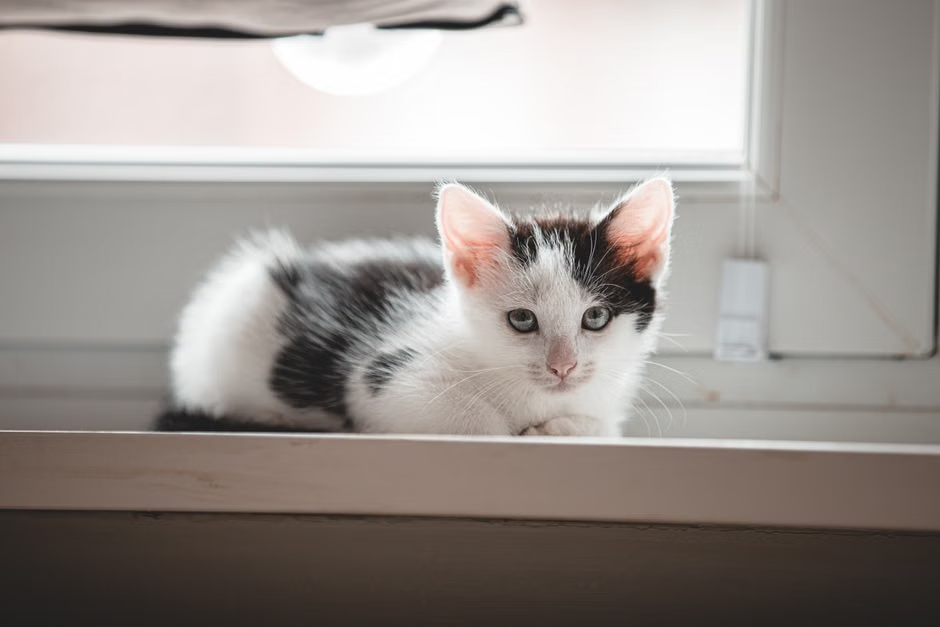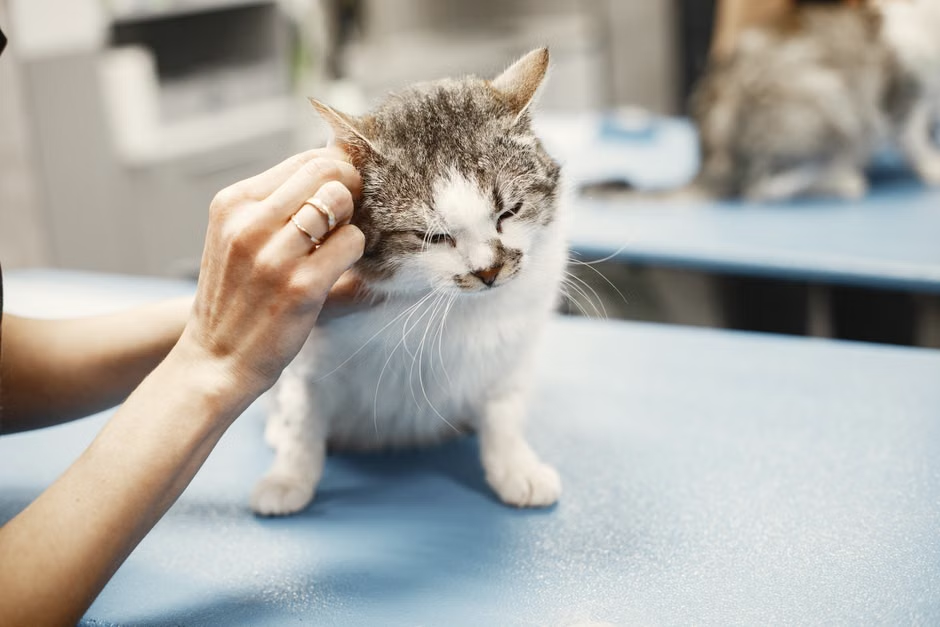
It’s 2 AM and you’re staring at your cat, who is staring at a corner of the wall like it contains the secrets of the universe. Or maybe she didn’t touch her dinner. Or maybe he made a sound in the litterbox that you’ve never heard before. Your brain starts spinning: Is this weird-but-normal cat behavior, or is something actually wrong? Do I need to find an emergency vet right now, or can this wait until morning?
Table of Contents
- Why Cats Hide Their Symptoms (And Why You Need to Pay Extra Attention)
- How Often Should Your Cat See the Vet for Check-Ups?
- The Warning Signs: When to Call Your Vet Today
- Emergency Signs: When to Go to the Vet Right Now
- The “Wait and See” List: Symptoms You Can Monitor (With Limits)
- Sneezing, Coughing, and Respiratory Symptoms: What They Mean
- Litterbox Red Flags: Urinary Issues and Changes in Bathroom Habits
- Injury and Limping: How to Assess and When to Act
- First-Time Cat Owner? Here’s Your Vet Visit Game Plan
- The Cost Question: What Does a Vet Visit Actually Cost?
- Telehealth and Phone Triage: A Smart First Step
- Trust Your Gut: When You Just Know Something’s Off
- Final Thoughts: Your Cat Is Counting on You
Every cat parent has been there, sitting in the dark, googling symptoms and trying to decide if they’re being appropriately concerned or completely overreacting. The question “when to take cat to the vet” is one of the most stressful puzzles we face as feline guardians. Cats would rather file a formal complaint with management than admit they feel crummy, which makes our job of reading the signs about ten times harder.
Here’s the good news: by the time you finish this guide, you’ll have a clear decision-making toolkit. You’ll know which symptoms demand an immediate trip to the emergency clinic, which ones can wait for a scheduled appointment, and how to build a game plan that keeps your fur child healthy for years to come. Let’s get into it.
Why Cats Hide Their Symptoms (And Why You Need to Pay Extra Attention)
Your cat is descended from wild ancestors who had to worry about predators spotting weakness. A limping, sniffling, or lethargic wildcat was a target, so evolution handed down a powerful survival instinct: hide any sign of illness or injury at all costs. Your pampered house cat, who has never faced a predator more threatening than the vacuum cleaner, still carries that programming deep in her bones.

What this means for you is that by the time you notice something’s off, your cat may have been feeling unwell for days or even weeks. They’re not being dramatic or secretive on purpose. They’re just running ancient software on modern hardware. This is why being observant isn’t paranoia. It’s part of being a great cat parent.
The single most helpful thing you can do is establish what “normal” looks like for your specific cat. Pay attention to her usual eating speed and portion size. Notice how many times a day he visits the litterbox and what the results typically look like. Observe her energy levels throughout the day, her favorite napping spots, and how much she vocalizes. When you know your cat’s baseline, deviations become much easier to spot. A cat who normally screams at you for breakfast but suddenly sleeps through it is sending a signal. A cat who always greets you at the door but now stays hidden under the bed is telling you something, even without words.
How Often Should Your Cat See the Vet for Check-Ups?
Before we dive into symptoms and emergencies, let’s talk about the routine care that prevents problems from sneaking up on you in the first place. For healthy adult cats between the ages of one and ten, the standard recommendation is an annual wellness exam. Think of it as preventive maintenance for your fur child, like an oil change for your car (except way more important) involving a lot more purring.
Senior cats, those ten and older, benefit from check-ups every six months. Age-related issues like kidney disease, hyperthyroidism, and dental problems can progress quickly, and catching them early makes a world of difference. A six-month interval might feel frequent, but in cat years, that’s like several human years between appointments.

Kittens need a series of early visits for vaccinations, deworming, and general health screening. Expect appointments every three to four weeks until they’re about 16 weeks old. Your vet will map out a schedule that covers everything from those first core vaccines to discussions about nutrition and spaying or neutering.
Wellness visits aren’t just about shots. Your vet listens to your cat’s heart and lungs, checks their teeth and gums, palpates their abdomen, and often runs bloodwork that can catch conditions like early kidney disease or thyroid imbalances long before you’d notice symptoms at home. These visits are your best defense against the stealthy illnesses cats are so good at hiding.
The Warning Signs: When to Call Your Vet Today
Some symptoms shouldn’t wait for a scheduled appointment. If you notice any of the following, pick up the phone and get your cat seen within 24 hours.
Not Eating or Drinking
A cat who skips a single meal might just be feeling picky, but a cat who refuses food for more than 24 hours is a genuine concern. Cats can develop hepatic lipidosis, or fatty liver disease, after just a couple of days without adequate calories. This condition is serious and can become life-threatening if it progresses.
The 24-hour rule is your guide here: if your cat hasn’t eaten or drunk anything for a full day, call your vet. Pay attention to whether your cat is refusing everything, including favorite treats. A cat who turns down a Churu or a bit of tuna is sending a much stronger signal than one who simply snubs a new brand of kibble. On the flip side, a cat who suddenly can’t stop eating might be dealing with hyperthyroidism or diabetes, so excessive appetite is worth mentioning to your vet too.
Lethargy and Weakness
Lethargy in cats goes beyond a lazy afternoon sprawled in a sunbeam. True lethargy looks like sleeping significantly more than usual, not lifting their head when you walk into the room, losing interest in toys or window-watching, or hiding in unusual spots like the back of a closet they’ve never shown interest in before.
The classic test: if you open a can of tuna or shake a bag of treats and your cat doesn’t move, something is wrong. Weakness that causes wobbliness, stumbling, or collapse needs immediate emergency attention, not a wait-and-see approach. Lethargy combined with other symptoms like fever, vomiting, or appetite loss is especially concerning and warrants a same-day vet visit.
Vomiting and Diarrhea
Let’s be real: occasional hairballs are part of life with cats. A single episode of vomiting in an otherwise normal-acting cat isn’t necessarily a crisis. But repeated vomiting, meaning multiple episodes in a single day, deserves a call to your vet. The same goes for diarrhea that lasts more than 24 to 48 hours or contains blood.
Dehydration is the real danger here, especially for kittens and senior cats. A cat who is both vomiting and having diarrhea is losing fluids from both ends, and that’s a situation that can escalate quickly. If your cat seems weak, disoriented, or has pale gums along with gastrointestinal symptoms, don’t wait. Head to the vet.
Eye Issues and Discharge
Cats’ eyes are expressive and beautiful, but they’re also vulnerable to injury and infection. Squinting, pawing at the eyes, redness, cloudiness, or any kind of discharge, whether clear, yellow, or green, are all signs that something needs attention. Eye problems can escalate from minor to serious surprisingly fast, so don’t wait more than a day to have them checked.
Upper respiratory infections are a common culprit behind eye discharge in cats, especially in multi-cat households or recently adopted kitties. These infections often come with sneezing and nasal discharge too. Even if the eye issue looks mild, remember that eye conditions can be painful, and cats are masters at hiding pain. Visible signs mean it’s time to act.
Emergency Signs: When to Go to the Vet Right Now
Some symptoms don’t allow for any waiting period. These are the situations where you grab the carrier and head to the nearest emergency clinic immediately.
Urinary issues top this list, especially for male cats. If your cat is straining to urinate, producing little or no urine, crying out in the litterbox, or has visible blood in their urine, this is a life-threatening emergency. A urinary blockage can be fatal within 24 to 48 hours. Do not wait until morning. Do not hope it resolves on its own. Go now.
Difficulty breathing is another immediate red flag. Open-mouth breathing, wheezing, rapid breathing, or blue-tinged gums mean your cat isn’t getting enough oxygen. Cats are not like dogs, panting is not a normal thing for them, so open-mouth breathing always warrants an emergency trip.
Toxic ingestion requires immediate care. Lilies are catastrophically toxic to cats and can cause kidney failure even from a tiny exposure. Antifreeze, human medications, chocolate, grapes, and xylitol are all dangerous. If you suspect your cat has ingested something toxic, don’t wait for symptoms to appear.
Other emergency signs include seizures, collapse, paralysis, severe bleeding, obvious fractures, and signs of intense abdominal pain. If your cat cries when touched, hunches over with a tucked belly, or guards their abdomen, that’s an emergency. Veterinary guidance suggests that abdominal discomfort lasting more than 30 minutes warrants an immediate visit.
Here’s a quick reference list of symptoms that mean go now:
- Straining to urinate or no urine production
- Open-mouth breathing or severe respiratory distress
- Suspected toxic ingestion
- Seizures or collapse
- Severe bleeding or obvious broken bones
- Intense abdominal pain lasting more than 30 minutes
- Sudden paralysis or inability to use back legs
The “Wait and See” List: Symptoms You Can Monitor (With Limits)
Not every concerning moment requires a frantic drive across town at midnight. Some symptoms can be monitored at home, provided you know the limits and stay watchful.
A single episode of vomiting in a cat who otherwise seems perfectly fine, eating, drinking, playing, using the litterbox normally, can be watched for 12 to 24 hours. Sometimes cats just eat too fast or hack up a hairball and move on with their day. If the vomiting repeats or your cat starts acting off, that’s your cue to call.
Sneezing without other symptoms might be nothing more than a dusty corner or a nasal tickle. If your cat is sneezing but still eating, playing, and acting like themselves, you can monitor for a day or two. Persistent sneezing, especially with nasal discharge, needs a vet visit.
Mild limping that improves within a few hours might just be a briefly landed-wrong moment. Cats are agile, but they’re not perfect. If the limp persists beyond 24 hours, or if there’s visible swelling, warmth, or an obvious wound, it’s time for a professional look.
Red or watery eyes without squinting, pawing, or apparent pain can sometimes wait until morning if you notice them late at night. But if your cat seems bothered by the eye, don’t delay.
The most important rule for the wait-and-see list is this: always trust your gut. If something feels wrong, call your vet. That’s what they’re there for. Vet offices are used to fielding questions from worried pet parents, and they’d much rather reassure you over the phone than have you wait too long on something serious.
Sneezing, Coughing, and Respiratory Symptoms: What They Mean
Cats sneeze sometimes. It’s cute, and it’s usually nothing. But when sneezing becomes frequent or comes with other symptoms, it’s worth paying attention.
Upper respiratory infections are incredibly common in cats, especially in shelters, multi-cat homes, or recently adopted kitties who’ve been through the stress of transition. Symptoms include sneezing, nasal discharge, eye discharge, and sometimes a decreased appetite because a stuffed-up nose makes food less appealing. You can learn more about these infections and how they’re treated in our respiratory health resources.
Coughing in cats is less common than in dogs and always worth a call to your vet. It can signal anything from asthma to heart disease to hairballs that aren’t quite making it up. Don’t dismiss a coughing cat as “just a hairball” if you’re not actually seeing hairballs produced.
Watch the discharge. Clear discharge is less concerning than yellow or green, which suggests a bacterial component. And always note whether your cat is still eating. A cat who can’t smell their food often won’t eat it, and a cat who isn’t eating needs intervention. If your cat is sneezing but otherwise bright, active, and hungry, you can monitor for a day or two. Symptoms that persist beyond a few days need veterinary attention.
Litterbox Red Flags: Urinary Issues and Changes in Bathroom Habits
Your cat’s litterbox habits are one of the most valuable windows into their health. Changes in frequency, volume, appearance, or location of urination and defecation are all worth your attention.
We’ve already covered the big one: straining to urinate with little or no production is an emergency, full stop. This is especially critical for male cats, whose narrower urethras make blockages more likely and more dangerous. But even without a full blockage, blood in the urine always warrants a call to your vet. It can indicate a urinary tract infection, bladder stones, or inflammation that needs treatment.
Urinating outside the litterbox is frustrating for you, but it’s often a distress signal from your cat. Cats with urinary issues frequently associate the litterbox with pain and start avoiding it. It’s heartbreaking because they’re not being bad. They’re trying to tell you something hurts. Other causes of inappropriate urination include kidney disease, diabetes, and stress. Before you assume it’s behavioral, rule out the medical causes.
Changes in frequency matter too. A cat who’s suddenly making many more trips to the box or producing much larger puddles than usual might be dealing with kidney issues or diabetes. A cat who’s going less often or producing very small amounts might be dehydrated or developing a blockage. Know your cat’s normal patterns so you can spot the shifts.
Injury and Limping: How to Assess and When to Act
Cats are acrobats until they’re not. Falls from high places, misjudged jumps, scuffles with other animals, and general mischief can all lead to injuries. When your cat comes up limping, your first job is assessment.
Can your cat put any weight on the limb at all? Is there visible swelling, warmth, or an obvious wound? Does your cat react painfully when you gently touch the area? If there’s a visible wound, check for signs of infection like redness, discharge, or a foul smell.
A mild limp that resolves within a few hours, with no swelling and no pain response, can be monitored. Sometimes a cat just lands funny and shakes it off, like we do. But limping that persists beyond 24 hours, or any limp accompanied by swelling or obvious pain, needs a vet visit. Cats hide pain incredibly well, so if your cat is visibly limping, it probably hurts more than it looks.
One critical note: never, ever give your cat human pain medication. Acetaminophen (Tylenol) and ibuprofen (Advil) are toxic to cats, and even medications that are safe for dogs can be deadly for felines. Only a veterinarian should prescribe pain relief for your cat.
First-Time Cat Owner? Here’s Your Vet Visit Game Plan
If you’ve just brought home a new kitten or adopted an adult cat, congratulations. You’re in for a wonderful ride. One of your first orders of business should be scheduling a vet visit within the first week.
Bring any adoption paperwork, vaccine records, and a list of questions. You’ll have them, and writing them down beforehand means you won’t forget anything in the moment. Expect a thorough physical exam, a fecal check for parasites, and FIV and FeLV testing if it hasn’t already been done. Your vet will also discuss a vaccination schedule and talk through nutrition, litterbox setup, and parasite prevention.
This first visit is about more than just checking boxes. It’s about establishing a relationship with a vet you trust, so when something comes up down the road, you already know who to call. You’re building your cat’s healthcare team.
Newly adopted cats also benefit from understanding the 3-3-3 rule: three days to decompress, three weeks to settle in, and three months to fully bond with you and feel at home. During those first few days of decompression, your cat might hide or seem withdrawn. That’s normal adjustment behavior, not necessarily illness. But if you’re ever unsure whether a behavior is adjustment or something medical, that’s exactly what your new vet relationship is for.
The Cost Question: What Does a Vet Visit Actually Cost?
Let’s address the elephant in the room, or rather, the cat in the carrier. Veterinary care costs money, and for many cat parents, that’s a legitimate source of stress. Knowing what to expect can help you plan and avoid being caught off guard.
A standard wellness exam typically ranges from $50 to $100 depending on your location and the clinic. Emergency visits cost more, often $150 to $300 or more for the exam alone, before any diagnostics or treatments. Vaccines generally run $20 to $40 each, and bloodwork panels can range from $100 to $300 depending on what’s being tested. Medications, X-rays, and procedures add additional costs.
There are ways to manage these expenses. Pet insurance can offset major unexpected costs, and wellness plans offered by many clinics spread routine care expenses across the year. Care Credit and similar financing options allow you to pay over time. Many vets are also willing to discuss payment plans if you ask. Don’t let fear of the bill delay necessary care. The earlier a problem is caught, the less expensive it usually is to treat.
Telehealth and Phone Triage: A Smart First Step
Before you decide between “emergency vet” and “wait and see,” consider picking up the phone. Many veterinary clinics offer phone triage, where you describe your cat’s symptoms to a technician or veterinarian who can help you understand how urgent the situation may be and what your next steps should be.
Telehealth options are growing, too. Some veterinarians now offer video consultations for non-emergency concerns, which can be a helpful middle ground when you’re not sure whether an in-person visit is necessary.
Dutch is another convenient option for pet parents. This 24/7 online veterinary telehealth service can help with many non-emergency pet concerns, including behavioral issues, skin problems, digestive symptoms, allergies and other everyday health questions. They even prescribe medications. You can connect with a licensed veterinarian from home, which is especially helpful when your regular clinic is closed, your cat can’t handle the stress of a car ride, or you need guidance before deciding whether to schedule an in-person appointment.
When you call or begin a telehealth consultation, have key information ready, including your cat’s age, the symptoms you’re seeing, how long they’ve been happening, and whether your cat is eating, drinking, urinating, and using the litterbox normally.
A quick phone call or virtual consultation may save you an unnecessary emergency trip, or help you recognize a serious problem sooner. Telehealth can’t replace a hands-on examination, diagnostic testing, or emergency care, but it can be a smart first step when you’re feeling uncertain.
Trust Your Gut: When You Just Know Something’s Off
Sometimes your cat doesn’t have textbook symptoms. There’s no vomiting, no limping, no discharge. But something is different. Maybe she’s hiding more than usual. Maybe he’s not meeting your eyes the same way. Maybe the rhythm of the household just feels shifted in a way you can’t quite name.
That gut feeling is valid. You know your cat better than anyone else on the planet. You’ve spent countless hours observing their quirks, their habits, their particular way of being in the world. When that internal alarm goes off, listen to it.
Cat parents in online communities share this experience constantly: the subtle, almost imperceptible changes that turned out to be the first whisper of something serious. Vets would far rather examine a healthy cat whose owner was being cautious than miss a sick one whose symptoms were downplayed. No one will judge you for bringing your cat in because “he just seems off.” That’s being an attentive, loving cat parent. That’s advocacy.
Final Thoughts: Your Cat Is Counting on You
Knowing when to take your cat to the vet comes down to a few core principles. Know your cat’s normal baseline so you can spot deviations early. Learn the difference between symptoms that can be monitored and symptoms that demand immediate action. Build a relationship with a vet you trust before an emergency happens. And never, ever ignore that quiet voice in your head that says something isn’t right.
Our cats depend on us to be their voice. They can’t tell us when they hurt or when they’re scared or when something inside them is going wrong. They can only show us, in their subtle, stoic, sometimes frustratingly vague ways. Paying attention is the most loving thing we can do.
Regular check-ups catch problems early, which saves money and heartache in the long run. A quick phone call can bring peace of mind or the urgency needed to save a life. And trusting yourself, your observations, your bond with your cat, that’s not paranoia. That’s partnership.
If you found this guide helpful, share The Catington Post with your cat-loving friends. Together, we can help more cats live longer, healthier, happier lives. Your cat may not say thank you, but that purr when you get home, that slow blink from across the room, that head butt at 3 AM…that’s their way.